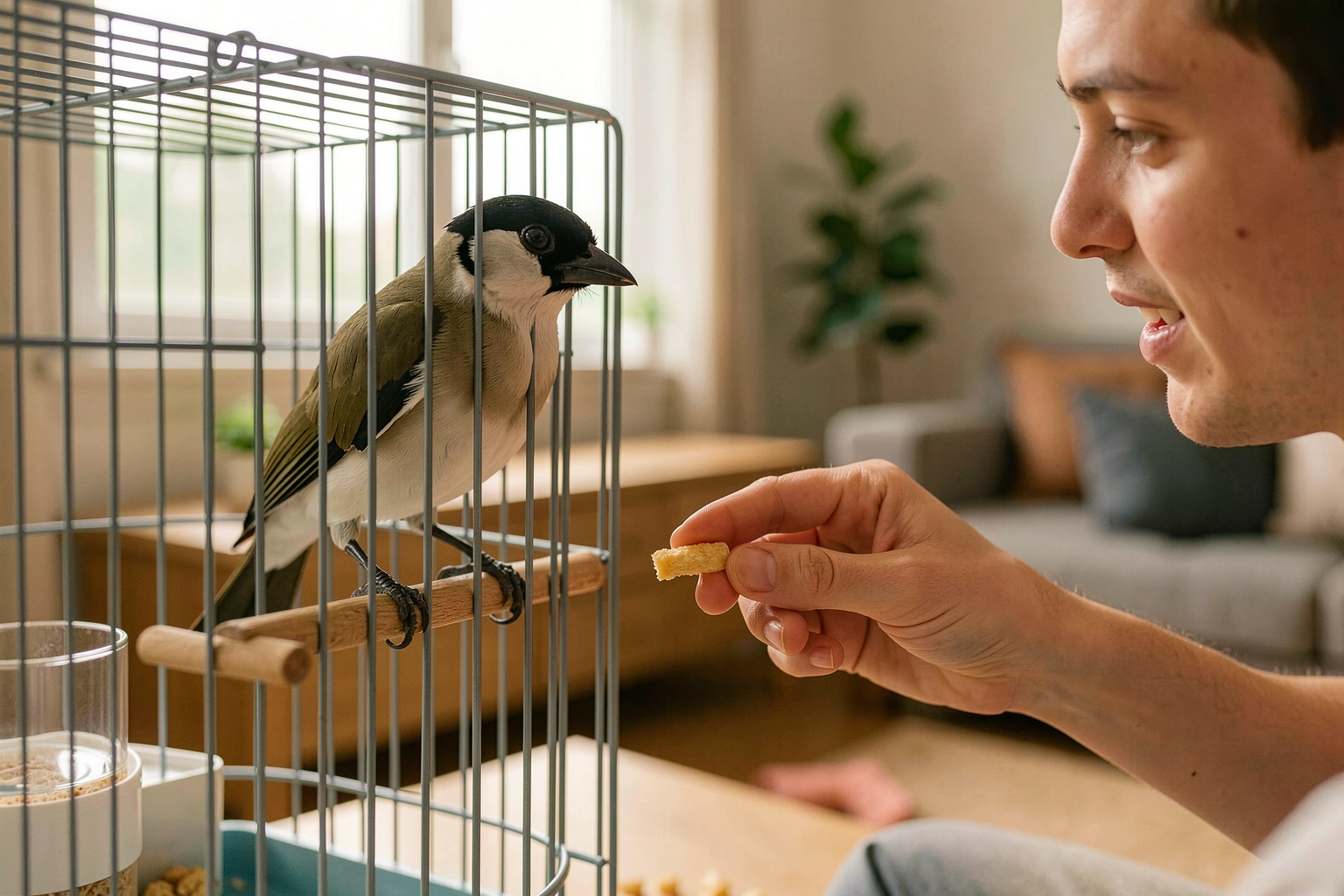
Yes, you can teach your bird to sing, but the exact approach depends on your bird's species, age, and where they are in their vocal development. The good news is that with a consistent daily routine, the right sound models, and well-timed positive reinforcement, most birds will show real vocal progress within a few weeks to a few months. This guide walks you through every step, from reading your bird's current vocal behavior to running daily training sessions to knowing when something is off.
How to Teach a Bird to Sing: Step-by-Step Training
Maya Harris
22 Mar 2026
Know Your Bird First: Species, Age, and Natural Ability
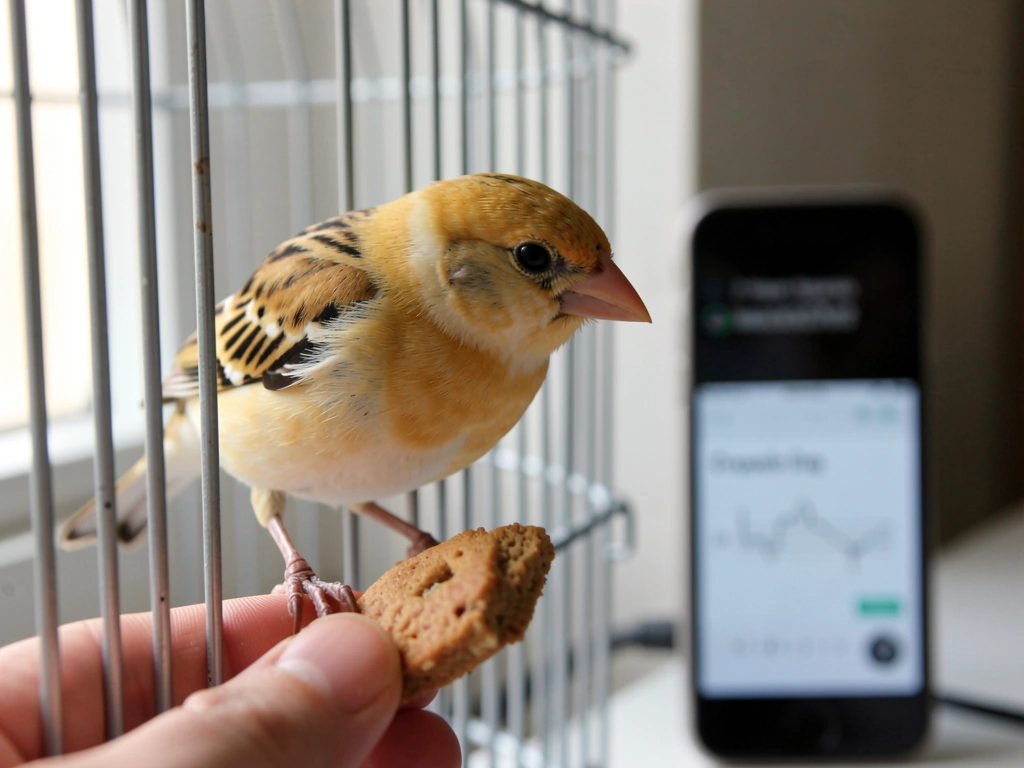
Not all birds sing the same way, and not all of them can be taught the same songs at the same stage of life. Before you start any training, it helps to understand what your bird is actually capable of right now.
Open-ended vs. closed-ended learners
Some species, like canaries, are open-ended vocal learners. That means their songs stay flexible even into adulthood, and they can keep learning new syllables and phrases well beyond their juvenile phase. Other species, like zebra finches and Bengalese finches, are closed-ended learners. Their songs crystallize after a certain developmental window, and trying to introduce new material after that point usually won't work. If you have a zebra finch and you're wondering why they're not picking up new tunes, this is probably why. Parrots sit in their own category as mimics, and interestingly, research on companion parrots suggests that age isn't a strong predictor of how well they learn to vocalize or mimic sounds.
Age and the sensitive learning period
For canaries specifically, the second major learning phase kicks in around days 70 to 90 after hatching and continues until roughly day 150. During this window, exposure to adult song has the biggest impact. For other songbirds, there's a similar concept of a sensitive period tied to when the bird starts its early babbling vocalizations. Research on zebra finches shows that tutor exposure timed to when the young bird begins actively babbling produces the best learning outcomes. The practical takeaway: if you have a young bird, start introducing model sounds early, ideally as soon as they're comfortably settled in your home.
Assess your bird's current vocal baseline
Before session one, spend two or three days just listening. When does your bird vocalize naturally? Morning? After you uncover the cage? When they hear music? Note what sounds they already make, even soft chirps, clicks, or partial phrases. This gives you a starting point to measure progress from, and it tells you which sounds your bird is already drawn to.
Set Up Your Training Environment
Your home environment does more work than most people realize. A chaotic or overstimulating space makes vocal learning harder, not easier. Here's how to set things up for success.
Location and routine
Pick one consistent spot for training sessions. Ideally this is a quiet room where background noise is minimal and your bird feels safe. Avoid training near a TV that's always on, near loud appliances, or anywhere with sudden, unpredictable noises. Birds learn better when they aren't already on alert. Keep the training area consistent, so your bird starts to associate that space and time of day with the learning routine.
Limit competing stimuli
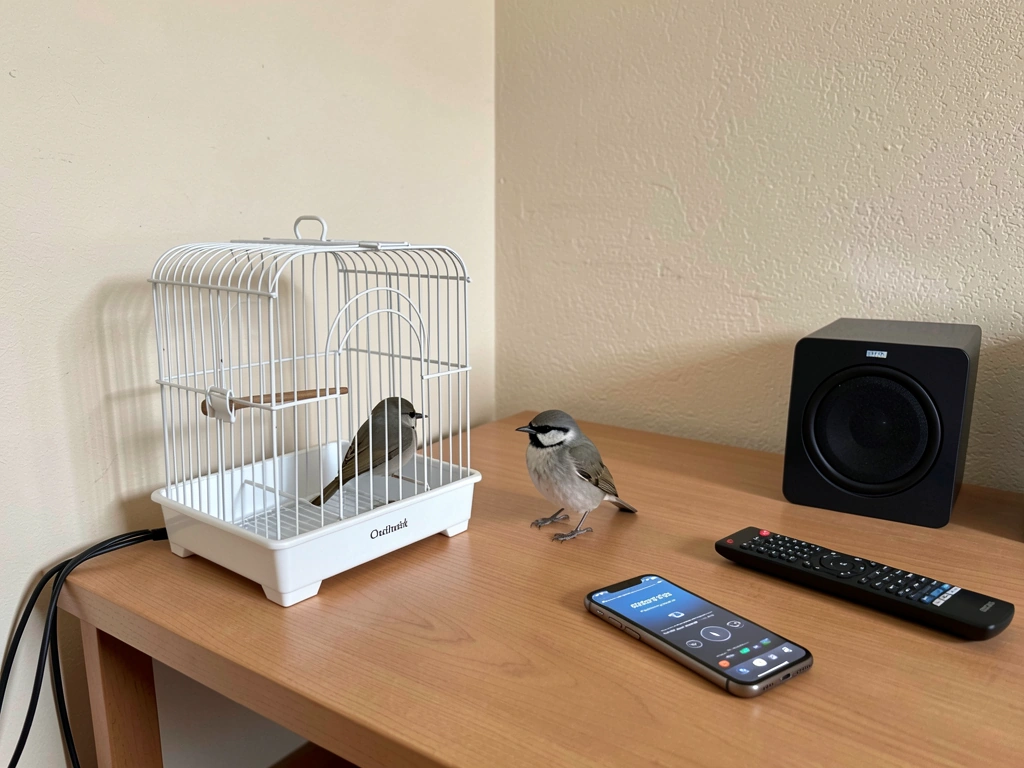
One of the most common mistakes is playing too many different sounds at once, thinking variety will speed things up. It usually does the opposite. When you're introducing a model song or sound, turn off other audio sources. Reduce visual distractions too, especially during the active learning portion of the session. Think of it like helping someone study: you wouldn't blast music and run the TV while they're trying to memorize something new.
A note on recorded playback
Recorded bird songs can be useful, but use them carefully. Research has flagged concerns that repeated taped song playbacks can stress birds by triggering territorial or stress responses, especially at high volume or played too frequently. Keep playback sessions brief, play recordings at a low to moderate volume, and watch your bird's body language. If they look tense, puff up in an agitated way, or start calling frantically, dial it back.
Choosing the Right Model Sounds
The sounds you use as models are the raw material your bird will learn from. Choosing the right ones makes a real difference.
Natural song vs. human-taught sounds
For canaries and finches, the best model is usually recordings of adult members of the same species singing full, healthy songs. This mirrors how song learning works in the wild, where young birds copy adult tutors. For parrots and other mimics, you have more flexibility. Simple whistled melodies, short repeated phrases, and even specific words or tunes work well as models. If you're also interested in teaching your bird to whistle specific tunes or say certain words, those are complementary skills that follow a similar training logic.
Keep it simple to start
Start with one song, one phrase, or one whistle pattern. Trying to teach multiple sounds at once in the early stages creates confusion and slows learning. Pick something short, melodically distinct, and easy to repeat consistently. A simple three- or four-note whistle pattern is a great starting point for most species. Once your bird is reliably reproducing that first sound, you can layer in a second one.
How to introduce the model sound
- Play or perform the model sound clearly once or twice at the start of the session.
- Pause and give your bird 20 to 30 seconds to respond or experiment vocally.
- Repeat the model sound again if the bird stays quiet.
- If the bird vocalizes anything at all, even a fragment, move to reinforcement immediately.
- End the sound exposure portion after 5 to 10 minutes maximum per session.
The Training Method: Repetition, Reinforcement, and Positive Cueing
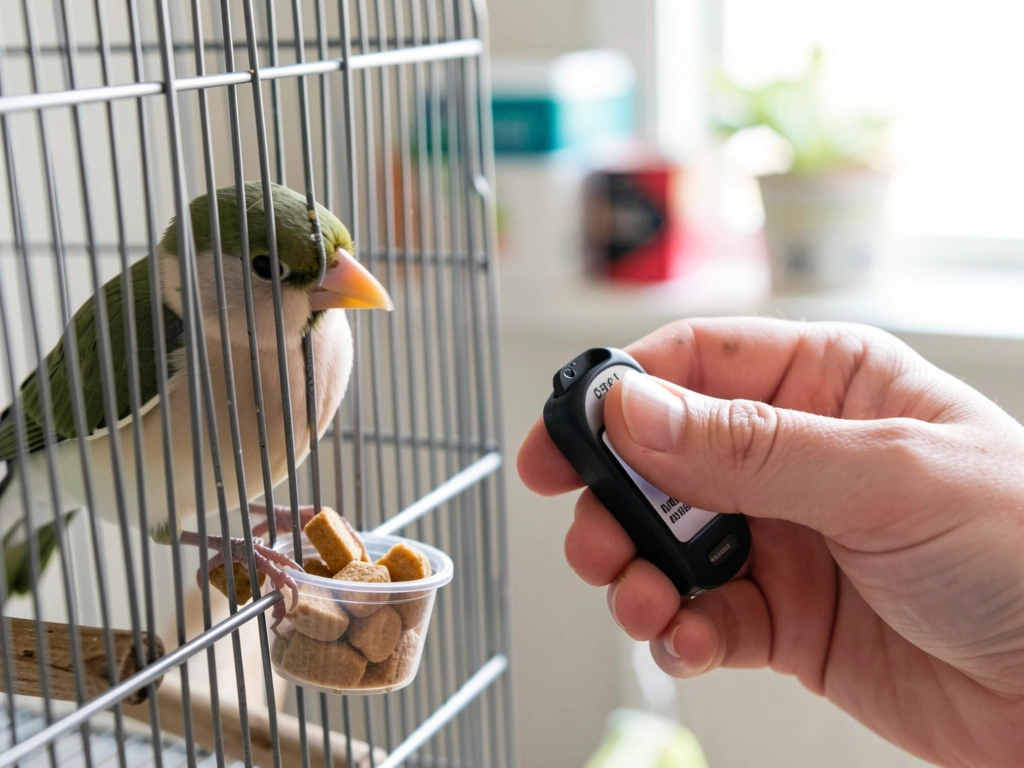
The core of vocal training is straightforward: you present a sound, the bird attempts to produce something similar, and you immediately reward that attempt. The tricky part is timing.
Reward within 2 to 3 seconds
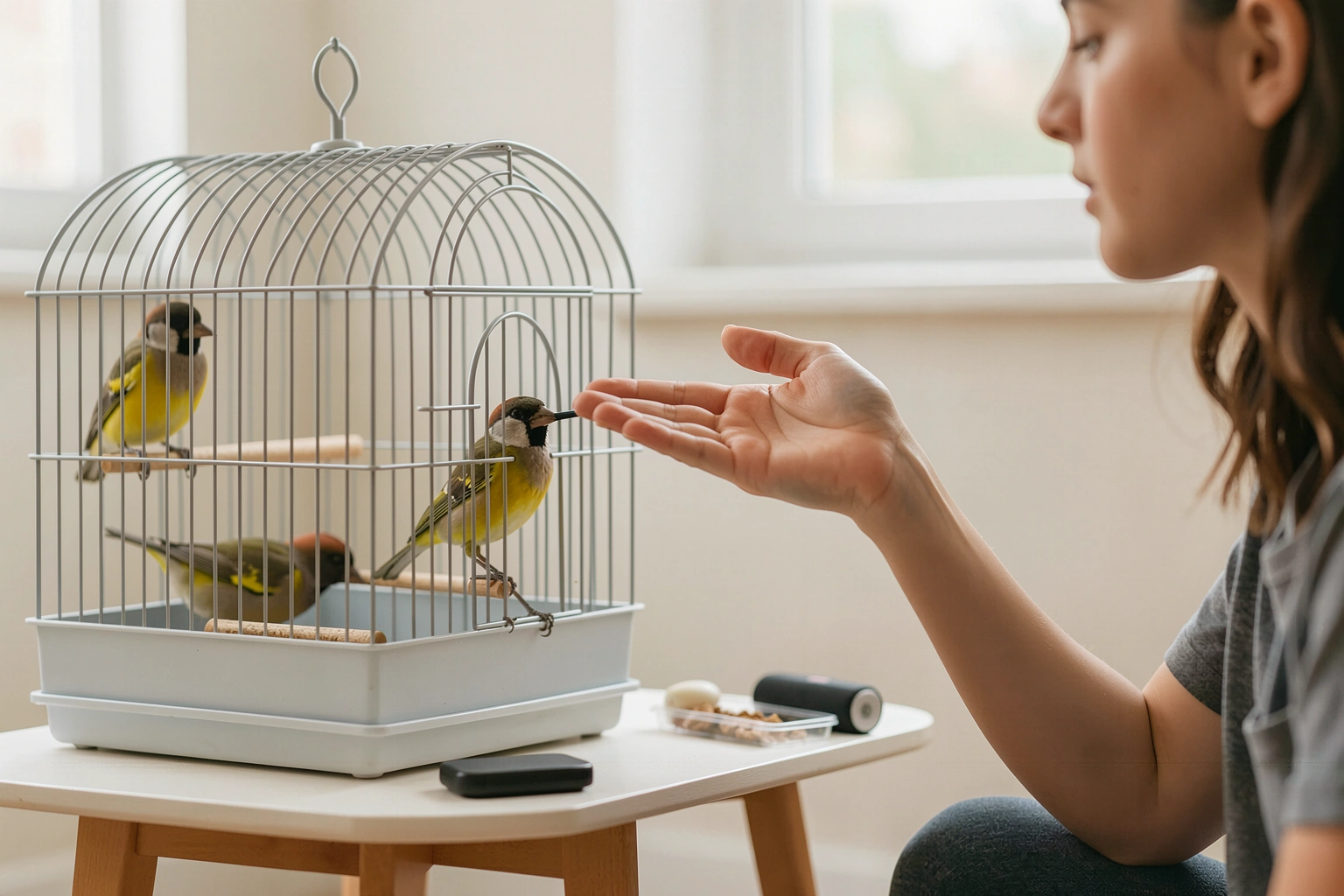
Research on bird training is clear on this point: the reward needs to be delivered within about 2 to 3 seconds of the desired behavior. Wait longer and the bird doesn't make a reliable connection between the vocalization and the reward. You can use a clicker as a marker, which lets you mark the exact moment the right sound happens before you physically deliver the treat. If you use a verbal marker instead, like saying "yes" in a bright, consistent tone, use the same word and tone every single time. Inconsistency here confuses the bird and weakens the association.
Shape gradually, reward approximations
Don't wait for a perfect rendition of the target sound before rewarding. Reward any step in the right direction. If your bird is silent and then produces a soft chirp during the session, reward it. If they move from a chirp to something that sounds vaguely like the first note of your target sound, reward that progression. This technique, called shaping, uses progressively closer approximations to build toward the final behavior. The key is sharp observation so you can catch those small improvements and mark them fast.
Use a consistent cue
Consider adding a simple visual or verbal cue right before you play or perform the model sound. Something as simple as holding up a hand, saying "sing," or making eye contact before you whistle. Over time, the bird starts to anticipate the training mode when they see or hear that cue. This makes sessions more focused and helps your bird distinguish training time from casual background sounds.
Your Daily Practice Plan
Consistency beats intensity every time. Short daily sessions are more effective than occasional long ones. Here's a realistic structure you can start using today.
Session structure
| Phase | Duration | What to Do |
|---|---|---|
| Warm-up | 2 to 3 minutes | Talk softly to your bird, let them settle and feel comfortable |
| Model sound introduction | 5 minutes | Play or perform the target sound, pause for response, repeat |
| Active reinforcement | 5 to 10 minutes | Mark and reward any vocalization attempts, shape toward the target |
| Wind-down | 2 minutes | Stop while interest is still present, finish on a positive note |
Total session time should land between 10 and 20 minutes, once or twice a day. The most important rule is to stop while your bird is still engaged, not after they've lost interest or started to show stress signals. If you always end the session when your bird is still curious, they'll be more eager to start the next one.
Best times of day
Morning is usually the most productive time for vocal training with most species. Many birds are naturally more vocal in the morning, which means they're already primed to vocalize. A second, shorter session in the late afternoon works well for some birds. Avoid training right before lights-out or when the bird seems tired or uninterested.
Realistic timelines
Expect to see early signs of progress, like increased vocalization or attempted fragments of the target sound, within two to four weeks of consistent daily sessions. A recognizable version of the target sound often takes one to three months depending on the species, the bird's age, and how well the sessions are structured. Closed-ended learners like zebra finches may plateau earlier. peekaboo can keep refining and expanding their songs much longer.
Troubleshooting: When It's Not Working
Hitting a wall is normal. Here's how to work through the most common problems.
No singing at all
If your bird isn't vocalizing during sessions, the first thing to check is stress. A bird that feels unsafe or overstimulated won't practice. Dial back the model sound volume, shorten the session, and make sure the environment is calm. Also check whether the model sound you've chosen is in a register your bird can comfortably hear and produce. Some birds respond much better to live whistling from a person than to a recording. Try switching the delivery method before assuming the bird isn't capable.
Weak or slow learning
If your bird is vocalizing but not moving toward the target sound after several weeks, revisit your shaping criteria. You may be waiting for too big a leap between steps. Go back to rewarding smaller approximations and be more generous with reinforcement for any sound that's even vaguely in the right direction. Also double-check your timing: if there's more than a 3-second gap between the vocalization and the reward, the association is probably not forming the way you want.
Unwanted sounds
If your bird keeps producing sounds you don't want reinforced, the main tool is strategic ignoring. Don't react, don't make eye contact, and don't deliver any attention in response to the unwanted sound. Only mark and reward the target sounds. Avoid accidentally reinforcing problem vocalizations by responding to them, even with a verbal correction, since any attention at all can function as a reward for some birds.
Overstimulation signs to watch for
- Feathers flattened tight against the body
- Rapid, agitated movement or pacing
- Screaming or alarm calls during playback
- Biting at cage bars or refusing food during sessions
- Complete withdrawal or turning away from you
If you see these, stop the session immediately, give your bird quiet time, and scale back the intensity of the next few sessions before trying again.
Measuring Progress and When to Get Help
Progress in vocal learning doesn't always look like a sudden breakthrough. It usually happens in small increments, and knowing what to track keeps you from getting discouraged.
What to track
Instead of listening for the full target song, listen at the level of individual syllables or short acoustic units. Has your bird added a new note? Are their spontaneous vocalizations getting longer or more varied? Are they vocalizing more frequently during sessions than they did in week one? These are all real signs of progress. Keep a simple log, even a few words per day in a notes app, so you can see the trend over time rather than judging each session in isolation.
When to adjust your approach
If you've been running consistent daily sessions for six to eight weeks and your bird is showing zero new vocal behavior, it's worth reconsidering your model sound, your reward, or your session structure. Try a different target sound that's closer to what your bird naturally produces. Try switching from food treats to verbal praise if your bird seems more motivated by social attention. Or reduce session frequency temporarily and give your bird a week of rest from structured training.
When lack of singing is a health issue
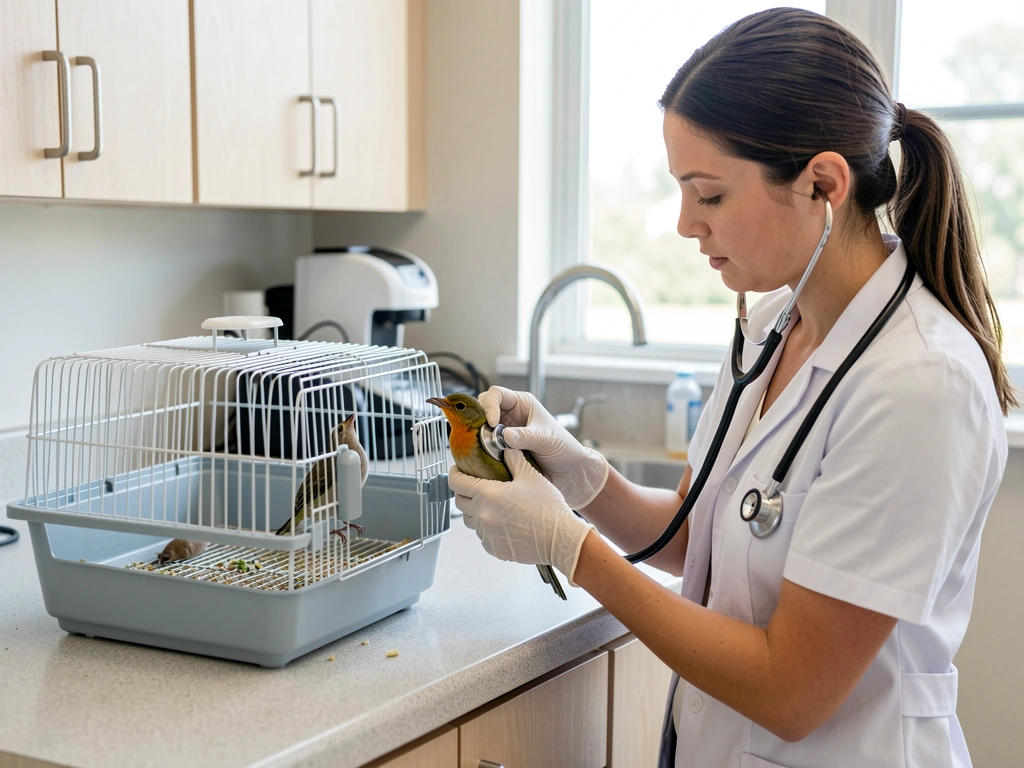
A bird that suddenly goes quiet after being vocal, or that was never vocal despite a healthy environment and consistent training, may have an underlying health issue. Respiratory problems are one of the most common reasons birds stop vocalizing, and they can be subtle at first. Watch closely for any of these warning signs and contact an avian veterinarian promptly if you see them:
- Open-mouth breathing at rest
- Tail bobbing that occurs with every breath
- Wheezing or clicking sounds while breathing
- Lethargy or reduced activity level
- Facial or eye area swelling
- Rapid or labored breathing after minimal movement
These signs can indicate respiratory distress or other systemic illness, and early intervention makes a significant difference in outcomes. If your bird shows any combination of the above, skip the training session and get to a vet. Vocal training can wait. Your bird's health cannot.
Start Today: Your First Three Steps
You don't need special equipment or a perfect setup to begin. Here's what to do in the next 24 hours.
- Spend today just observing. Note when your bird vocalizes naturally, what sounds they already make, and how they respond to your voice or soft music.
- Choose one simple model sound. A short whistled phrase you can repeat consistently yourself is ideal for most beginners. Keep it to three or four notes.
- Run your first 10-minute session tomorrow morning. Warm up with calm talk, introduce the model sound twice, pause for a response, and reward any vocalization immediately. End while your bird is still engaged.
If you stay consistent with this structure, you'll start seeing results. The birds that learn the fastest aren't the most naturally talented ones. They're the ones whose owners show up every day, keep sessions short and positive, and pay close attention to what the bird is actually doing. That's entirely within your control starting right now.
FAQ
What should I do if my bird stays silent during every session?
Don’t assume silence means “can’t learn.” First check the setup, then try a different delivery. Some birds respond more reliably to live whistling from close range than to recordings, and morning sessions often work better. Also look for stress signs, if the environment is loud or the bird is alert, they may hold back practicing.
How do I choose the right reward so my bird actually keeps trying?
Pick reinforcement based on what motivates your bird, not what you prefer. Many birds work well with small, high-value treats delivered immediately after the desired vocal attempt, but if your bird disengages from treats, switch to a consistent verbal praise style as the reward or use social attention only after the correct sound (not during unwanted vocalizations).
Should I use a cue like “sing,” and can I make it fade later?
Use the same exact cue every time, then phase it out once the bird is performing reliably. For example, keep your cue (hand signal or the word “sing”) unchanged for several sessions, but reduce how often you prompt once your bird starts offering the target sound on their own. If prompting is still required, keep the cue in place and refine shaping steps first.
Can I teach two different songs or whistles at the same time?
Yes, but keep it targeted. If your bird is clearly close to Sound A, don’t introduce Sound B yet. Start only after the bird can produce A consistently across multiple days, and then add B using the same shaping and timing rules, one mini-target at a time.
My bird makes noise, but it never gets closer to the target sound. What’s the fix?
If the bird keeps vocalizing but not toward your target, reduce the “distance” between steps. Reward earlier approximations (even partial syllables or the correct rhythm) and tighten timing so reinforcement comes within about 2 to 3 seconds. Also confirm the model is singable for that species and that your target isn’t beyond the bird’s current developmental stage.
How do I restart training after my bird seems stressed or shuts down?
Yes, but stop-and-recover matters. If you’ve had to pause because your bird was stressed or got quiet, restart with shorter sessions, lower model volume, and a simpler first approximation (reward something they already do). Once the bird is comfortable again, you can return to the original target gradually.
What are the signs I should stop a session immediately?
Avoid training during times the bird is naturally tired, such as right before lights-out, and don’t extend sessions past engagement. As a rule, end while the bird is still curious, then resume later at the next scheduled session. If you see puffing, frantic calling, or repeated attempts to flee, that’s your cue to end immediately.
Is it okay to change the model song or whistle often?
Some birds learn best from a stable tutor, so switch cautiously. If you suspect mismatch, try one change at a time, such as using live whistling instead of tape, or using recordings that sound like adult conspecifics for that species. Avoid frequent daily changes to the model, because it prevents the bird from forming a clear vocal map.
What should I track to know progress is actually happening?
Start by logging spontaneous vocalizations and the smallest matching units (notes, syllable patterns, or short phrase fragments). Track frequency during sessions and whether new acoustic elements appear over time. If behavior is flat for 6 to 8 weeks with consistent training, adjust one variable at a time: closer target, clearer reward, or reduced session frequency for a brief rest.
How long should I “pause” training if there’s no progress?
Sometimes a bird needs rest, but don’t eliminate training entirely. If you’re stuck for several weeks, try one week with no structured training, then restart with shorter 10 to 20 minute sessions and a simpler approximation. If silence returns after rest, shift focus to health and environment before further training attempts.
What if my bird keeps doing the unwanted sound during the exact moment I want to reward?
If you’re rewarding an unwanted sound because it occurs right before the target, you can accidentally reinforce it. Use strategic ignoring for the problem sound, and reward only the target or its closest approximations. If the unwanted sound is interfering, make the target step easier for a few days so the bird gets more chances to practice the correct behavior.
How do I tell training problems apart from a possible health issue?
Contact an avian veterinarian promptly if vocal changes come with breathing effort, open-mouth breathing, tail bobbing, discharge, lethargy, or a sudden drop in normal calls. In those cases, skip training and prioritize assessment, because respiratory issues can worsen quickly even if appetite seems mostly normal at first.
Next Article
How to Teach a Martinez Bird to Talk Step by Step
Step-by-step guide to teach a Martinez bird to talk: phrases, training routine, reinforcement, troubleshooting, weekly p